Being investigated for indecent images offences can place immediate strain on your personal and professional life. Police investigations often begin suddenly, with officers seizing electronic devices, questioning online activity and placing you under scrutiny long before any charging decision is made. While activities involving indecent images are treated as serious sexual offences under the law, a significant number of indecent image cases do not result in prosecution. In many situations, the outcome is recorded as ‘no further action’, but this can leave you with questions, especially if the investigation has affected other parts of your life.
Understanding how indecent image offences are investigated, how the Crown Prosecution Service (CPS) approaches charging decisions and why cases are dropped can help you protect your position from the earliest stage. In this article, the sexual offences lawyers at Tyler Hoffman explain the legal process, sentencing guidelines where cases do reach court, and the reasons indecent images investigations often come to an end without further action.
How indecent image offences are investigated
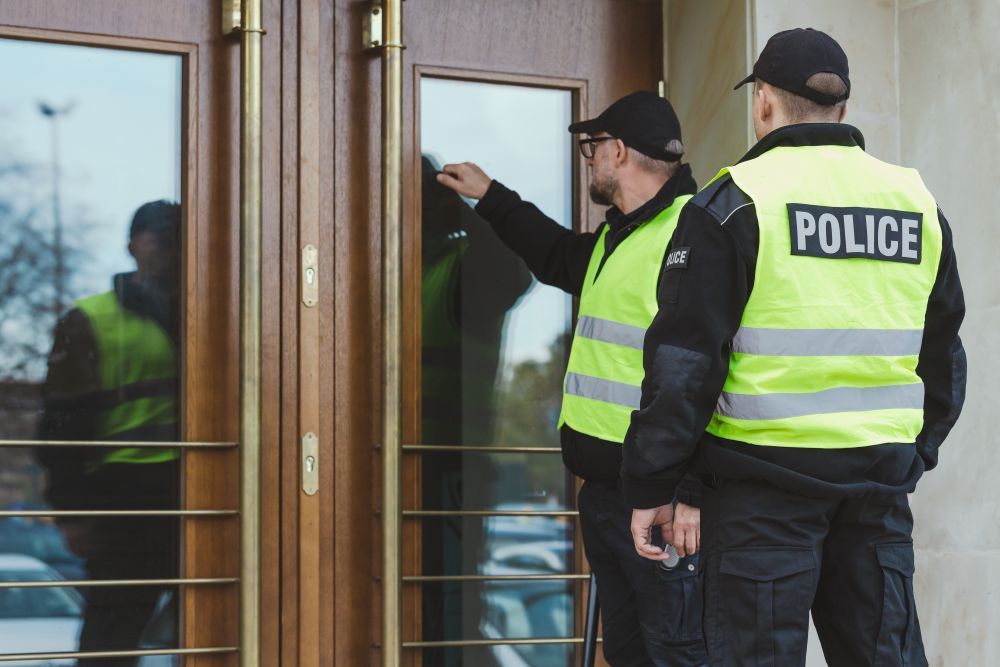
Most indecent images investigations begin with reports from third parties or intelligence obtained through monitoring digital platforms. Police may attend your address to carry out a search, often relying on a search warrant to seize computers, phones and other electronic devices.
Once devices are seized, they are examined using digital forensics. Investigators will look for images, videos and data that suggest possession of indecent images, activity related to distributing indecent images or accessing prohibited images involving a child sexual assault material. This investigation process can take months, and in some cases over a year, before any decision is made.
At this stage, procedural errors, unlawful search activity or technical errors in how evidence is handled can undermine the prosecution before a case ever reaches court. When you instruct a solicitor who specialises in defending sexual offences - such as the team at Tyler Hoffman - at this early stage, we will identify any potential errors or failures in police procedures, and step in to prevent flawed evidence from being relied upon in court.
What happens during a police interview
If you are asked to attend a police interview at the police station, this is a formal part of the criminal justice process. What is said during the interview can shape the entire investigation and influence the charging decision.
We advise you in the strongest possible terms to have a solicitor present during this interview. Attempting to explain your actions without legal representation can lead to statements being misunderstood or used against you later. Bail conditions may also be imposed while enquiries continue, even where no charge has been brought.
Early legal representation allows your defence lawyers to advise on how to respond, identify legal errors and protect your position while the investigation is ongoing.
What counts as indecent images under the law
Indecent image offences are governed primarily by the Protection of Children Act 1978 and the Criminal Justice Act 1988. These laws cover a range of offences involving indecent images of children, including photographs, videos and digitally created images.
Offences can include possessing indecent images, distributing indecent images or making prohibited images that depict sexual activity or non-penetrative sexual activity involving a child. The prosecution must show that the images are indecent, that a child is depicted, and that the accused had knowledge of the material.
There are various categories of images, and not all images discovered during an investigation automatically meet the legal threshold for prosecution. Images are assessed by reference to their content, how they are categorised and the surrounding circumstances in which they were found. Context is central to this assessment, including whether the material was deliberately accessed, how it came to be stored on a device, and whether there is evidence to support knowledge or intent. Images obtained through automatic downloads, pop-ups or background processes may raise serious questions about possession and control, which can undermine the prosecution’s case.
How the Crown Prosecution Service make charging decisions
The Crown Prosecution Service applies a two-stage test before bringing charges. First, there must be enough evidence to provide a realistic prospect of conviction. Second, prosecution must be in the public interest.
A solicitor plays a direct role at this stage by analysing the evidence relied upon by the police and making representations to the CPS where weaknesses exist. If the evidence does not allow the CPS to prove intent, or where reasonable doubt can be demonstrated, a solicitor can challenge whether the evidential test is met and argue that the case should not proceed.
Even where evidence is present, the CPS must consider personal circumstances, mental health considerations and proportionality. A solicitor will present these factors formally, so they are taken into account before a charging decision is made, to influence whether prosecution is justified in the circumstances.
What does ‘no further action’ mean in indecent image cases?
An indecent images ‘no further action’ decision means the investigation has ended and no charges will be brought. This can happen at various stages, including during the investigation or after the CPS has reviewed the file.
A significant number of indecent image cases are closed this way. While allegations may be serious, many investigations fail to meet the evidential or public interest threshold required to justify prosecution.
Common reasons indecent image cases are dropped before they reach court include:
- Insufficient evidence may prevent the prosecution from showing that images were knowingly accessed or possessed. In some cases, forensic evidence cannot establish who downloaded or viewed the material.
- Inability to prove intent is common, particularly where files were never opened or where automatic downloads occurred through pop-ups, shared folders or background processes.
- Procedural errors and legal errors during a police search, including unlawful search activity or failures linked to a search warrant, can render evidence unreliable and unusable.
- Technical errors within digital forensics, such as mislabelled files or broken chains of evidence, can undermine the prosecution case.
- A legitimate reason for image presence, such as academic research or professional exposure, may also raise doubt about criminal intent.
- Mental health conditions may affect intent, awareness or behaviour, and these factors must be assessed carefully by investigators and prosecutors.
Where these issues arise, defence lawyers can highlight weaknesses that lead to cases being dropped without further action.
Early legal help is critical to your defence
Early legal help allows our indecent image solicitors to scrutinise evidence, identify technical and procedural weaknesses, and work with forensic experts where necessary. Defence lawyers aim to prevent flawed cases from progressing and to defend clients before mistakes are made that cannot be undone.
Many cases that result in no further action do so because issues are identified early and raised properly during the investigation.
Get legal advice
If you are under investigation for indecent image offences, or concerned about the risk of prosecution, speaking to an experienced solicitor as early as possible will make a material difference. Tyler Hoffman’s defence team provides confidential legal representation to mitigate the potential penalty against you, and secure an outcome of no further action where possible.
Tyler Hoffman’s solicitors have extensive experience advising and representing those accused of indecent image offences. We recognise how disruptive these allegations can be and provide clear, focused legal advice throughout the investigation and any subsequent proceedings.
Our phone line is open 24/7. Call 03300 536 786 or complete our online enquiry form to speak to one of our indecent image solicitors in confidence.